
 By
By 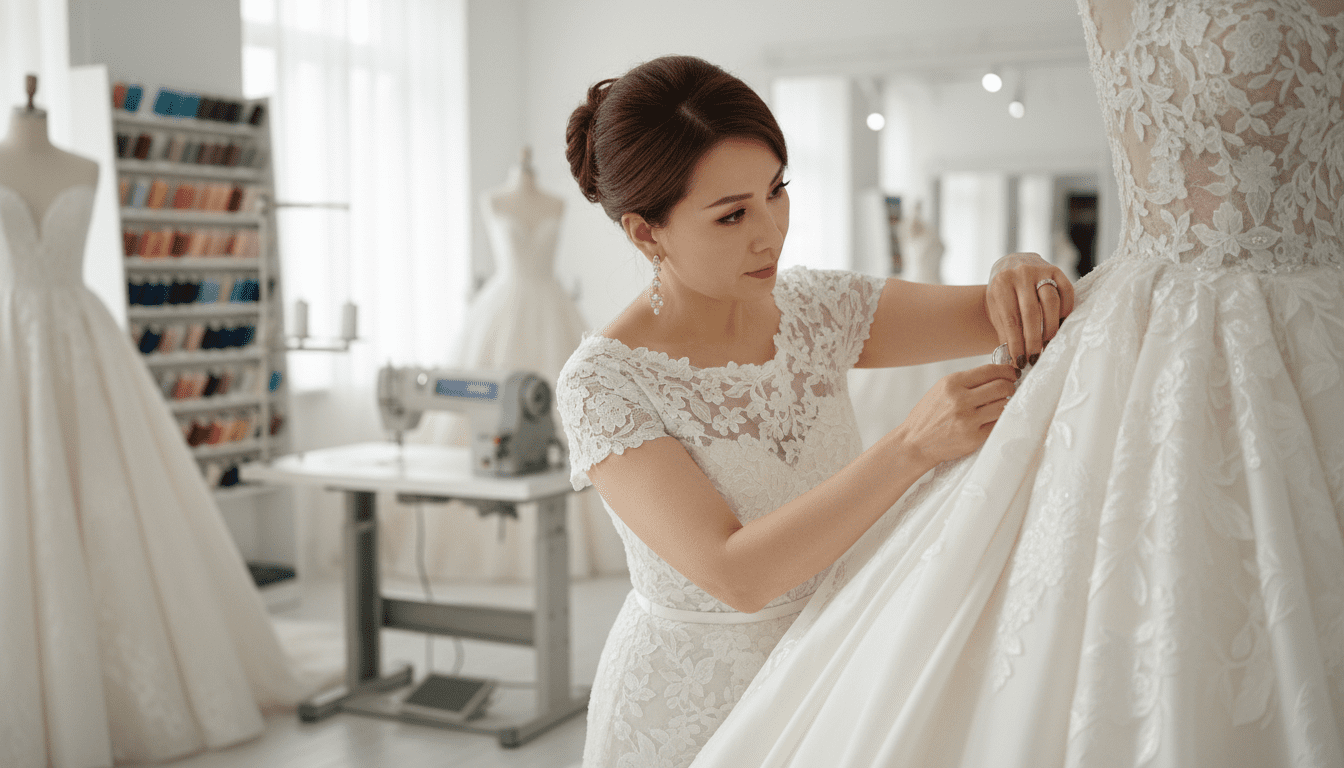
Oftentimes, discovering your wedding gown is an unforgettable experience. Brides typically take weeks or months to find a gown that vaguely feels special. But once the dress is purchased, the adventure doesn’t end. Most bridal gowns require some tailoring before the big day. That is why bridal alterations are such an aspect of the bridal experience.
These alterations take a lovely gown and make it fit the bride to a tee.
Why No Wedding Dress Ever Fits Right from the Start?
Dresses are made in standard sizes by bridal designers. But no two bodies are alike. A dress might fit dimensionally in one area, while it’s loose or tight at another.
This is where professional bridal alterations come to the rescue: they contour the dress to fit the bride’s body. Rather than accepting “almost perfect,” alterations provide a custom fit that reinforces the bride’s natural form.
Even slight changes can have a huge impact on the way the dress looks and feels.
Little Tweaks That Add Up to a Lot
Wedding dresses tend to have detailed fabrics, lace patterns, and delicate stitching. This is why all the changes had to be done cautiously.
Common bridal alterations include:
- Raising the hemline so the bride can walk comfortably
- Taking the bodice in or letting it out
- Adjusting straps or sleeves
- Adding structure for better support
- Busting the train for lifted during the reception
Each step creates a natural movement for the dress as the bride moves throughout her day.
The Fitting Process Explained
Shocked new brides learn that bridal alterations often require multiple fittings. The dress shape gets increasingly fitted at each fitting.
With each fitting, the shape of the gown becomes more precise.
The typical process, generally speaking, looks like this:
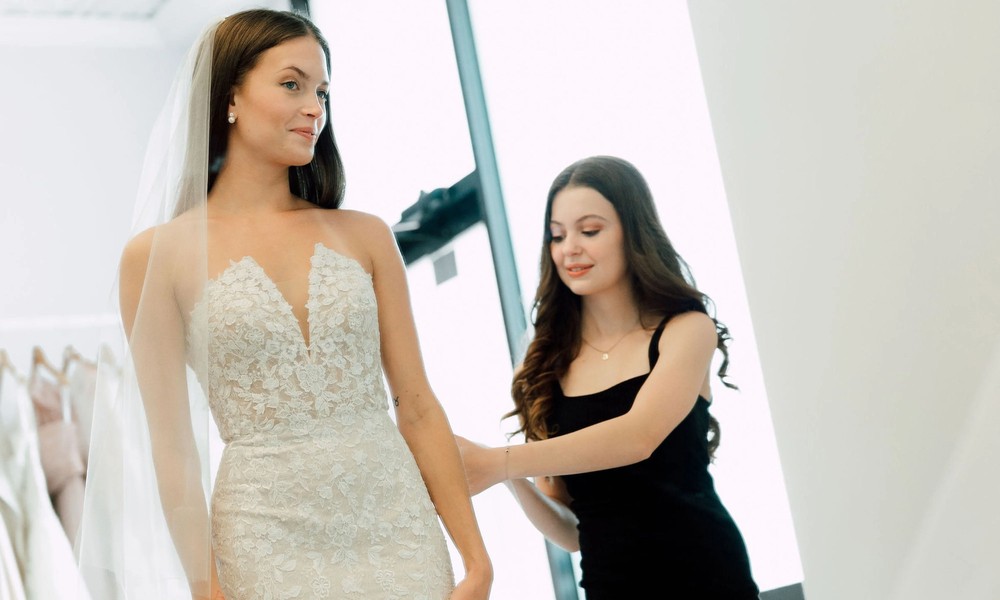
- First fitting: The seamstress inspects the dress and ascertains what needs to be changed.
- Second fit: The perfect fit is achieved after a period of probational screening and adjustment.
- Third fitting: The bride will try on the bustle and ensure everything feels secure and comfortable.
It gives you a detailed breakdown to make sure nothing is missed.
Comfort and Beauty Matter Alike
It’s a lot to do on the wedding day. During their receptions, brides walk down the aisles, take pictures and greet guests before dancing. A dress that isn’t comfortable can make the day a stressful one.
Even the best bridal alterations give thought to make sure that gown is secure and easy to move in. Support that’s right in the bodice, balanced seams, and hem length that’s correct for the bride will help her feel relaxed.
When it fits well, the bride can lose herself in celebration instead of worrying about adjusting her gown.
Transforming a Lovely Dress into the Right One
A wedding dress already has significance and glamour. But the final transition is made with precise bridal tailoring. Through careful measurements and meticulous stitching, the dress is fitted onto the bride in a way that no other dress ever is.
The end result is a gown that fits well, photos beautifully, and provides the bride with confidence as she walks into her big day.
With some final stitches, sometimes that dream dress is made perfect.



Comments