
 By
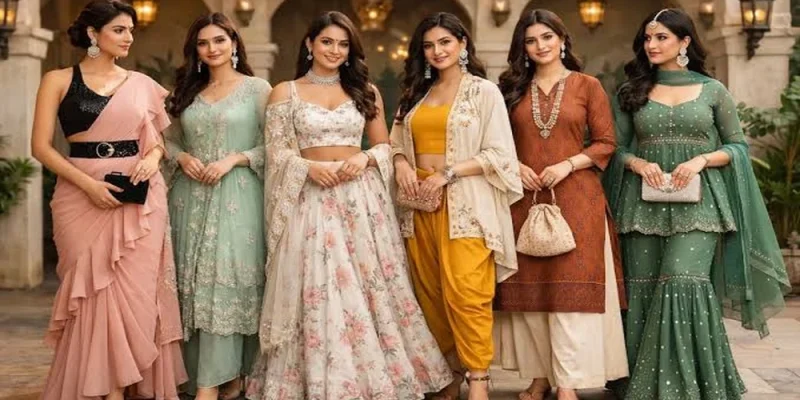
Ethnic wear shopping goes wrong in one common way. People buy for the wedding they have next month and forget about all the smaller days in between. A festival, a family dinner, a puja at home- none of these needs the same outfit as a big fat wedding. Here is how to actually match ethnic wear to real occasions.
Ethnic Wear Is Not One Size Fits All Occasions
One heavy outfit cannot cover every event on your calendar. Wear a wedding lehenga to a small family gathering, and you will feel overdressed within minutes. Wear something too plain to a big function, and it will not photograph well either. Match the outfit to the actual size and mood of the event, not just the dress code written on the invite.
Think through these before you shop:
- Is this event during the day, evening, or both
- Will you be standing and dancing, or mostly seated
- How many similar events do you have coming up this year?
Kurti For Women, The Everyday Workhorse
Not every ethnic day needs to feel like an event. A kurti for women covers the days in between, festivals that are more casual, family visits, or just a day you want to dress ethnic without going all out. Pair with leggings or straight pants and you have something ready in minutes, no heavy styling required.
Lehenga For Women, Built For The Big Days
Some days call for more, and a lehenga for women delivers exactly that. Weddings, sangeets, big festivals- the kind of event where the outfit is meant to be noticed. The flare and layering give movement that a simple kurti or saree just cannot match. This is not an everyday piece, and it is not meant to be.
Comfort Depends On More Than Just Fabric
People blame fabric for discomfort, but fit and structure matter just as much. A heavy lehenga with a loose blouse feels different from the same lehenga with a snug one. Check how the outfit moves when you sit, walk, or raise your arms, not just how it looks standing still in a mirror.
Quick things worth checking before buying anything heavy:
- Can you sit comfortably without the fabric pulling
- Does the blouse or top allow full arm movement?
- Is the waistband or drawstring adjustable for a long event?
Building A Rotation That Covers Real Life
A wardrobe with only wedding wear leaves gaps everywhere else. Keep two or three kurtis for regular ethnic days, one or two dressier pieces for mid-level events, and save the lehenga for the handful of occasions that actually need it. This spread covers far more of the calendar than owning five variations of the same heavy outfit.
To Wrap Up
Bright colours and heavy embroidery suit daytime festive events well. Deeper tones with subtle detailing work better once the sun goes down. If an event has a set colour theme, check that before locking in a print, since a clashing outfit stands out for the wrong reason in photos. AJIO groups pieces by occasion and detail level, which helps narrow things down faster than scrolling endlessly.
FAQs
1. Can a kurti be dressed up for a small function?
Yes, add jewellery and a dupatta with some work on it, and a simple kurti can pass for slightly festive without much effort.
2. How many lehengas does someone actually need?
One or two is plenty for most people. Unless you attend a lot of weddings a year, more than that just sits unused.
3. What makes a lehenga uncomfortable to wear for long hours?
Usually the blouse fit or a heavy skirt without proper support at the waist. Both are worth checking before an event, not during it.
4. Are kurtis appropriate for office wear?
Plain, simple ones often are, especially in solid colours. Heavily embellished pieces tend to feel more suited to festive days.
5. Should lehenga colour match the wedding theme?
Not strictly required, but it helps. Checking with the host or looking at invite details avoids clashing badly in group photos.


Comments