
 By
By 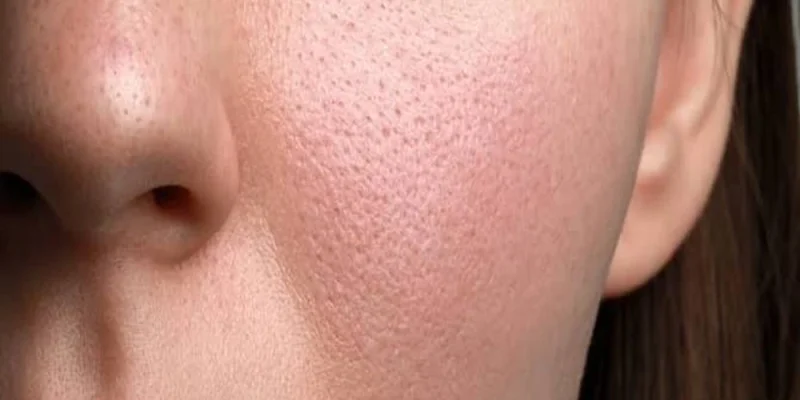
INTRODUCTION
Skin texture naturally changes over time, but when it begins to feel rough or uneven, many people wonder what has caused the difference. In most cases, uneven skin texture develops because several factors work together rather than a single issue. Daily habits, environmental exposure, age, and even overall health can influence how smooth the skin feels. Understanding these causes makes it easier to care for the skin and prevent further changes.
A closer look at the factors that Develop Rough Texture Guide can help explain why skin sometimes changes gradually instead of suddenly. Small, everyday influences such as inconsistent moisturizing, prolonged sun exposure, accumulated dead skin cells, and repeated contact with environmental pollutants often combine to affect the skin’s surface over time. Recognizing these early contributors allows you to make simple adjustments to your skincare routine before roughness becomes more noticeable, supporting a smoother and healthier-looking complexion in the long term.
DEAD SKIN CELL ACCUMULATION
The outer layer of skin constantly sheds old cells and replaces them with new ones. When this renewal process slows down, dead skin cells remain on the surface instead of falling away naturally. As they build up, the skin can feel dry, rough, and uneven. This is one of the most common reasons people notice changes in skin texture.
DRYNESS AND MOISTURE LOSS
Skin needs adequate moisture to remain soft and flexible. When it loses water, the surface may become flaky, tight, or coarse. Dry weather, indoor heating, air conditioning, frequent washing, and harsh skincare products can all reduce the skin’s moisture levels. Without enough hydration, even healthy skin may develop an uneven feel.
SUN EXPOSURE
Ultraviolet (UV) rays can gradually damage the skin’s outer layers. Over time, repeated sun exposure may reduce skin elasticity, contribute to rough patches, and make the complexion appear dull. Sun damage can also lead to uneven pigmentation, causing the skin to look less smooth even when touched.
LIFESTYLE AND ENVIRONMENTAL FACTORS
Daily habits influence skin health more than many people realize. Lack of sleep, ongoing stress, smoking, excessive alcohol consumption, poor nutrition, and insufficient water intake can affect the skin’s ability to repair itself. Pollution, dust, wind, and sudden weather changes may also weaken the skin’s protective barrier and contribute to uneven texture.
SKIN CONDITIONS AND MEDICAL FACTORS
Sometimes rough or uneven skin is linked to an underlying skin condition rather than everyday habits. Eczema, psoriasis, keratosis pilaris, and certain allergic reactions can all change the skin’s texture. Hormonal changes may also increase oil production or trigger breakouts, leaving behind uneven areas after the skin heals. If roughness is persistent, painful, or accompanied by redness or itching, professional medical advice is recommended.
CHOOSING A GENTLE SKINCARE ROUTINE
Using products that match your skin type can help maintain a smoother appearance. Gentle cleansing removes dirt without disrupting the skin barrier, while regular moisturizing supports hydration. Mild exfoliation can help remove dead skin cells, but excessive scrubbing may irritate the skin and worsen roughness. Daily sunscreen also helps protect the skin from damage that contributes to uneven texture.
CONCLUSION
Uneven skin texture usually develops through a combination of natural aging, moisture loss, environmental exposure, lifestyle habits, and, in some cases, underlying skin conditions. Since there is rarely a single cause, improving skin texture often requires consistent daily care instead of quick fixes. A balanced skincare routine, healthy lifestyle choices, and protection from environmental damage can support smoother, healthier-looking skin over time.
Comments