
 By
By 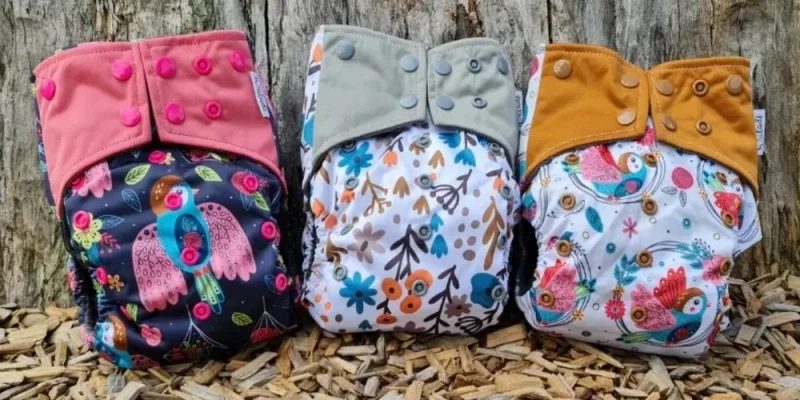
I spend a lot of time helping parents cut through noise and set up simple, reliable cloth nappy routines that fit real Australian life. My advice focuses on fit, absorbency, washability, and value. If those boxes are ticked, the switch from disposables becomes easy to maintain and easy on your budget.
If you want a strong starting point, take a look at Waladi cloth nappies. They design modern cloth nappies that suit local weather, daily routines, and common fit needs. In this piece, I will help you compare styles, choose materials, plan washing, and build a stash that works from newborn through toilet training, with clear notes on where Waladi stands out.
Why reusable nappies deserve your attention
Reusable nappies make sense because they let you control fit and absorbency while cutting waste. That brings three main wins.
- Comfort and skin health. Breathable fabrics can sit softer against the skin and reduce irritation risk.
- Cost control. A reusable system can replace many boxes of disposables over the years.
- Less waste. One set can cover thousands of changes that would otherwise go to landfill.
If you focus on the right setup and a steady wash routine, the system stays simple.
The main styles you will see
You will find several cloth nappy types in Australia. Each style works for different goals. Here is how I suggest you think about them.
- All-in-one. Everything is attached. Simple to use. Slower to dry and less flexible for custom absorbency.
- All-in-two. Absorbent insert snaps or lays in. Faster to dry. Easy to tailor absorbency.
- Pocket nappies. A waterproof outer with a soft inner lining creates a pocket for inserts. Easy to adjust for day or night. Dries faster than all-in-one. This is a great balance of simplicity and control.
- Fitted nappies with covers. Very absorbent for night. Needs a separate cover. More bulk.
- Flats and prefolds with covers. Lowest cost and fast drying. More folding and learning.
Pocket cloth nappies are a strong bet for most families starting out. You can add or remove inserts as your child grows or as your day changes.
Materials that matter
Absorbent fabrics behave differently. Match the material to your goals.
- Bamboo and bamboo charcoal. Soft, breathable, and reliably absorbent. Natural odour resistance. A good choice for sensitive skin.
- Microfibre. Soaks fast but can feel dry against the skin if placed directly. Best used inside a pocket.
- Cotton. Durable and easy to wash. Moderate absorbency. Good all-rounder.
- Hemp blends. Very high absorbency with slower soak speed. Often used as a booster.
Waladi builds its reusable nappies with a soft bamboo charcoal inner and a waterproof outer. That combination pulls moisture away from the skin while keeping leaks in check. For daily use, that balance is very practical.
Finding the right fit from newborn to toilet training
Aim for nappies that can adjust across sizes. One-size-fits-most designs use snap closures to grow with your child. Waladi’s nappies typically fit from about 3.5 kg up to 15 kg. That range reduces guesswork and helps you avoid rebuying larger sizes every few months.
Check these fit points each time you put a nappy on:
- Snug at the legs and waist with no gaps
- Insert lies flat, no bunching
- No red marks that last after a change
- Rise snaps set low for small babies, higher as they grow
Daytime and overnight setups that work
For daytime, start simple.
- One pocket nappy with one insert for average wetters
- Add a second insert for longer trips or naps
- Keep two spares in your bag
For overnight, increase capacity without overstuffing.
- Use a high-capacity insert or a bamboo plus hemp combo
- Keep the nappy snug at the legs to stop wicking
- Trial two nights with a new setup before you scale it
Waladi’s pocket design makes this easy. You can add inserts for naps, long outings, or night, and remove them for a trimmer day fit.
Washing in Australian conditions
You do not need a complicated routine. Keep it short and consistent.
1. Dry pail used nappies in a ventilated basket. No soaking.
2. Do a quick pre-rinse or short cycle to remove residue.
3. Run a warm long wash at 40 to 60 degrees with enough detergent for a full load.
4. Line dry in the sun. Shade dry the waterproof shells on hot days to protect the outer fabric.
Sun helps with stain reduction. Breeze helps shells and inserts dry fast. Rotate two or three washing days each week to stay ahead.
Why I often recommend Waladi for Australian families
Some brands look good in theory but are hard to live with day after day. I look for reliable fit, simple washing, and flexible absorbency. Waladi meets those targets with a few things that stand out.
- Bamboo charcoal lining that draws moisture away from the skin
- Waterproof outer and secure elastic at the waist and legs to help reduce leaks
- Pocket nappies that let you tune absorbency for day, naps, and night
- One-size-fits-most snaps that cover roughly 3.5 kg to 15 kg
- Lightweight materials that wash and dry well in local weather
- Options for newborns, overnight sets, and training pants
- Useful extras like inserts and wet bags
- Clear resources that explain washing, sizing, and absorbency choices
Their prints are varied, which helps with rotation and makes it easy to spot which nappy is set up for day or night at a glance.
How to build a starter stash
You do not need everything at once. Build in stages and learn as you go.
- Part time use: 8 to 12 nappies, 12 to 16 inserts, 1 to 2 wet bags
- Full time use: 18 to 24 nappies, 24 to 36 inserts, 2 to 3 wet bags
- Night setup: 4 to 6 high-capacity inserts or boosters
Buy a small mix, test what works for your child, then fill gaps. If your baby is a heavy wetter, add more bamboo or hemp inserts. If drying is slow at your place, include some faster-drying options.
Quick checklist to keep changes smooth
- Pre-stuff pocket nappies after washing to save time during the day
- Store clean nappies and inserts together within reach of the change area
- Keep a basic wet bag in the pram and car
- Track which insert combos last the longest for your child
- Adjust rise snaps every few weeks as your child grows
Final thoughts
Cloth nappies are most successful when you keep the system simple, set a steady wash rhythm, and choose gear that adapts as your child grows. Pocket styles and bamboo-based fabrics make that easier.
If you want a setup that covers daily use, naps, and overnight without fuss, Waladi cloth nappies offer the flexibility and fit that many Australian families look for. Start with a small set, refine your insert combos, and let your routine do the work.




Comments